Appliance Emergencies You Should Never Ignore
Most appliance problems start small. A strange noise, a minor leak, or an appliance that isn’t performing quite as well as it used to can seem easy to put off until later. In some cases, however, waiting too long can lead to more expensive repairs, water damage, spoiled food, or even safety concerns.
Knowing when to schedule emergency appliance repair can help minimize damage to your home and restore your appliance before the problem worsens. If you notice any of the following issues, it’s a good idea to have your appliance inspected by a qualified technician.
Why Appliance Emergencies Demand Immediate Action?
Household appliances work hard every day, and most eventually require repairs as components wear out. While not every issue is an emergency, certain problems should be addressed as soon as possible to help prevent additional damage.
Some warning signs involve water, others involve electricity, and some simply indicate that the appliance is no longer operating safely or efficiently. Acting quickly often helps reduce downtime and may keep a minor repair from becoming a much larger one.
1. Refrigerator Not Cooling
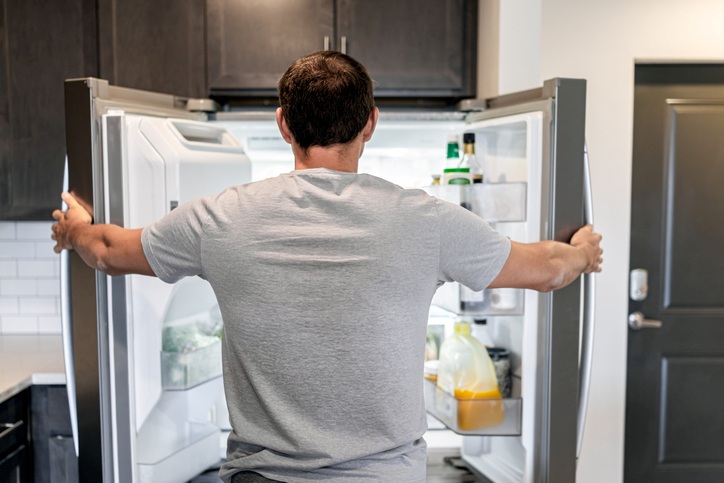
If your refrigerator stops maintaining a safe temperature, food can spoil much faster than expected. Warm air inside the refrigerator, inconsistent cooling, or a freezer that no longer keeps food frozen are all signs that service shouldn’t be delayed. A technician can diagnose whether the problem involves the compressor, evaporator fan, thermostat, sealed system components, or another part of the cooling system.
2. Water Leaking from Appliances
Water around an appliance should never be ignored. Even a slow leak can damage flooring, cabinets, drywall, and nearby materials if left unaddressed. Common appliances that may develop leaks include:
- Refrigerators
- Dishwashers
- Washing machines
- Ice makers
3. Dryer Overheating or Producing a Burning Smell
A dryer that becomes unusually hot or produces a burning odor requires prompt attention. Lint buildup, restricted airflow, worn components, or electrical issues can all contribute to overheating. If you notice excessive heat or an unusual smell during operation, discontinue use until the appliance has been inspected.
4. Oven Not Shutting Off
An oven that continues heating after being turned off or fails to respond to temperature controls should be serviced promptly. Problems involving control boards, thermostats, or switches can affect the appliance’s operation and should not be ignored. If your oven behaves unexpectedly, avoid continued use until the cause has been identified.
5. Sparking Microwave or Electrical Outlet
Sparks inside a microwave or around the outlet supplying power to an appliance are never considered normal. These situations may indicate electrical component failure or wiring issues that require professional attention. If sparking occurs, disconnect power to the appliance if it is safe to do so and arrange for service before using it again.
- Garbage Disposal Overflow or Backup
A garbage disposal that backs up or overflows can quickly create a messy kitchen and may indicate a blockage or mechanical problem. Common warning signs include:
- Water backing up into the sink
- Disposal humming without grinding
- Persistent clogs
- Standing water that drains slowly
7. Electrical Burning Smell From Any Appliance
An electrical burning smell coming from any household appliance should always be taken seriously. This odor can indicate overheating wires, damaged electrical components, or failing motors. Stop using the appliance and schedule an emergency appliance repair service to determine the source of the problem before operating it again.
8. Frequent Breaker Trips or Power Loss
If an appliance repeatedly trips a circuit breaker or causes power interruptions when operating, there may be an electrical fault that requires inspection. Although the cause isn’t always the appliance itself, repeated breaker trips should never be dismissed as normal operation.
9. Strange Noises or Excessive Vibrations
Many appliances make normal operating sounds, but sudden grinding, loud knocking, metal scraping, or excessive vibration often indicates worn or damaged components. These issues may become more expensive to repair if the appliance continues operating after the initial symptoms appear.
10. Smoke or Fire From an Appliance
Smoke coming from any appliance requires immediate attention. If it is safe to do so, disconnect power to the appliance and avoid using it again until it has been professionally inspected. Never ignore visible smoke, signs of melting components, or evidence of fire damage, even if the appliance appears to resume normal operation afterward.
Don’t Wait When an Appliance Shows Signs of Trouble
Not every repair requires emergency service, but knowing when a problem needs immediate attention can help protect your home and prevent additional damage. Whether you’re dealing with a refrigerator that has stopped cooling, a leaking dishwasher, an overheating dryer, or another urgent issue, acting promptly is often the best course of action.
Chicago Appliance Repair Doctor provides reliable home appliance repair and appliance repair service for homeowners throughout Chicago, IL, and the surrounding suburbs. If one of your household appliances is showing signs of a serious problem, contact our team to schedule professional service and have the issue diagnosed as soon as possible.